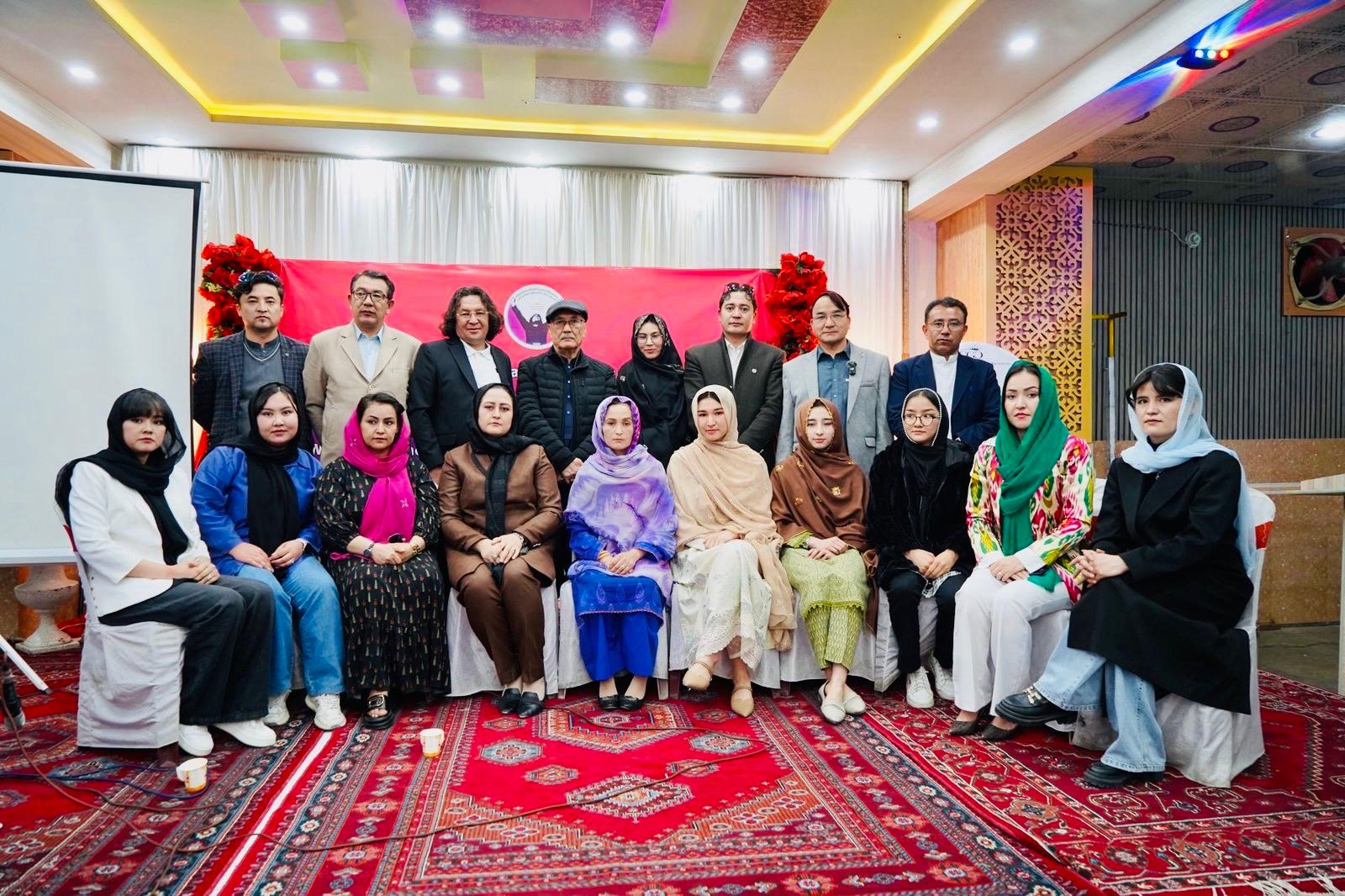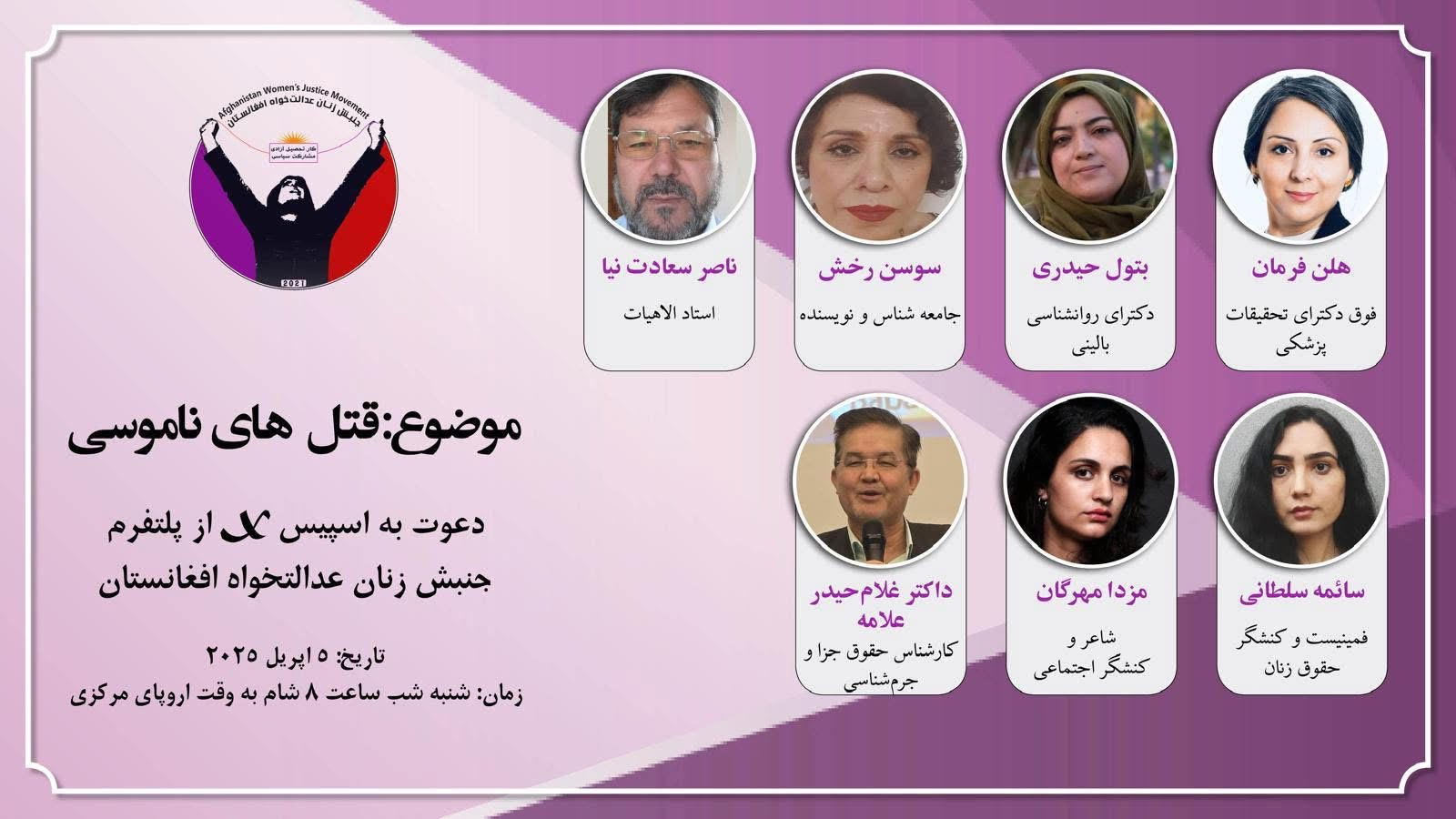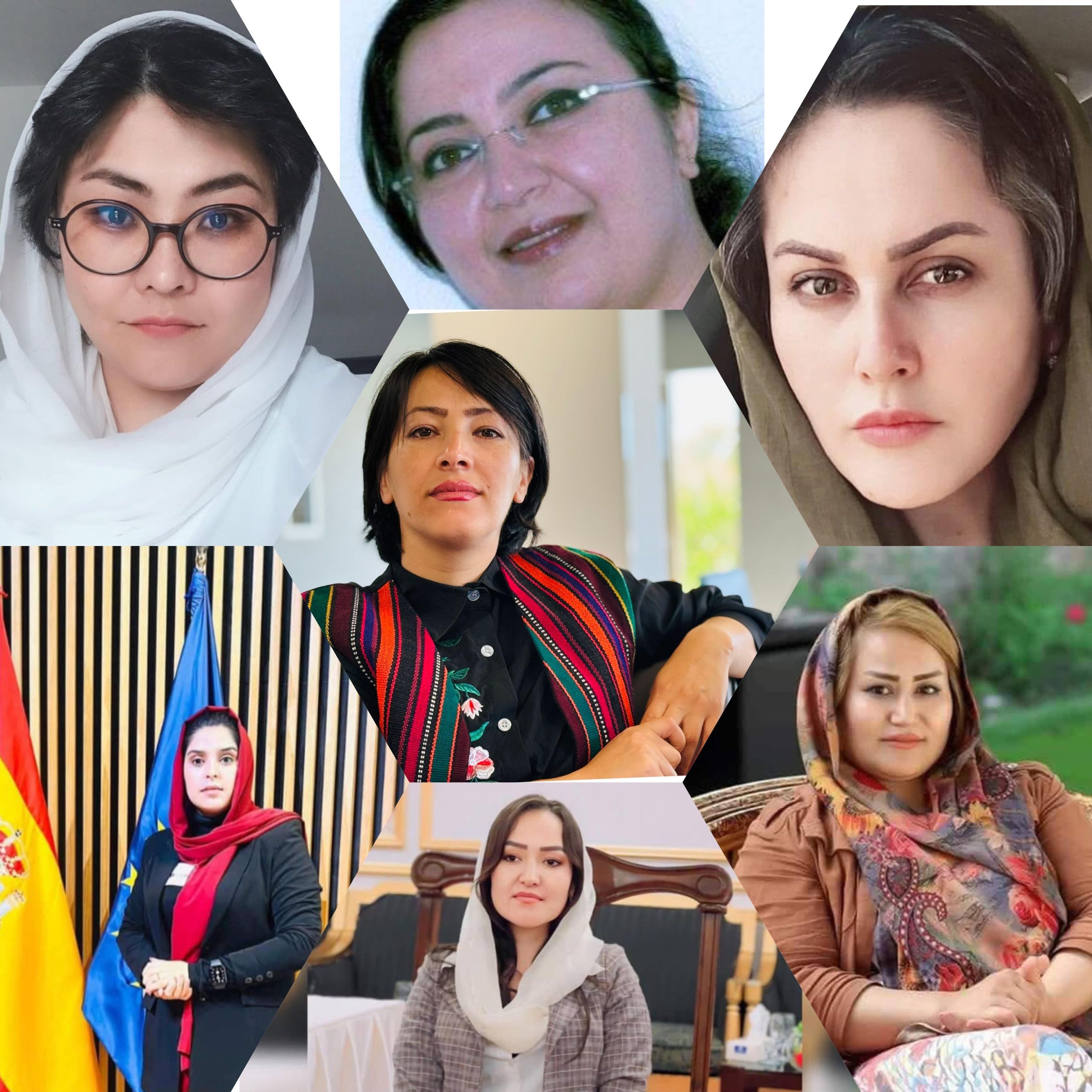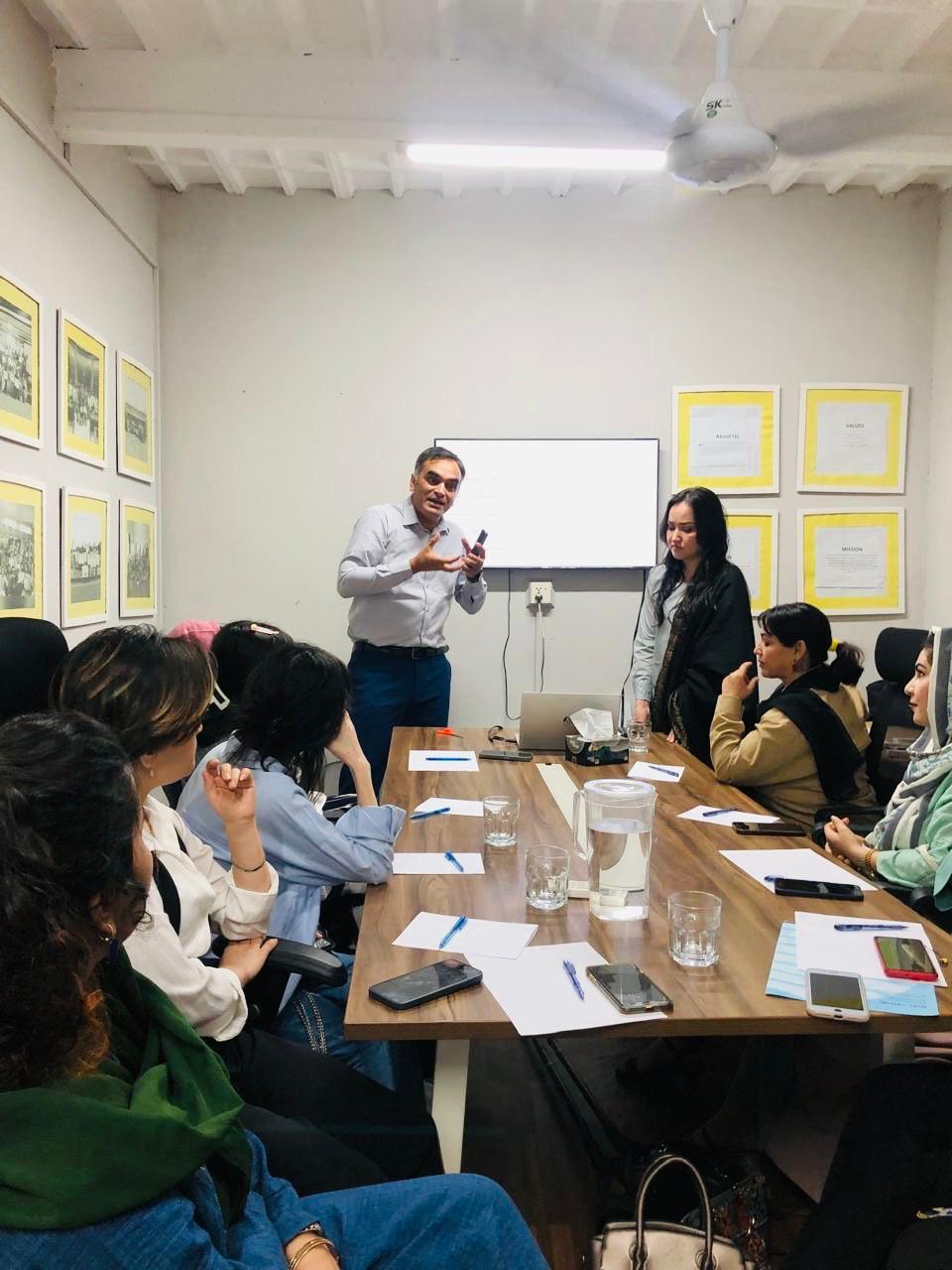
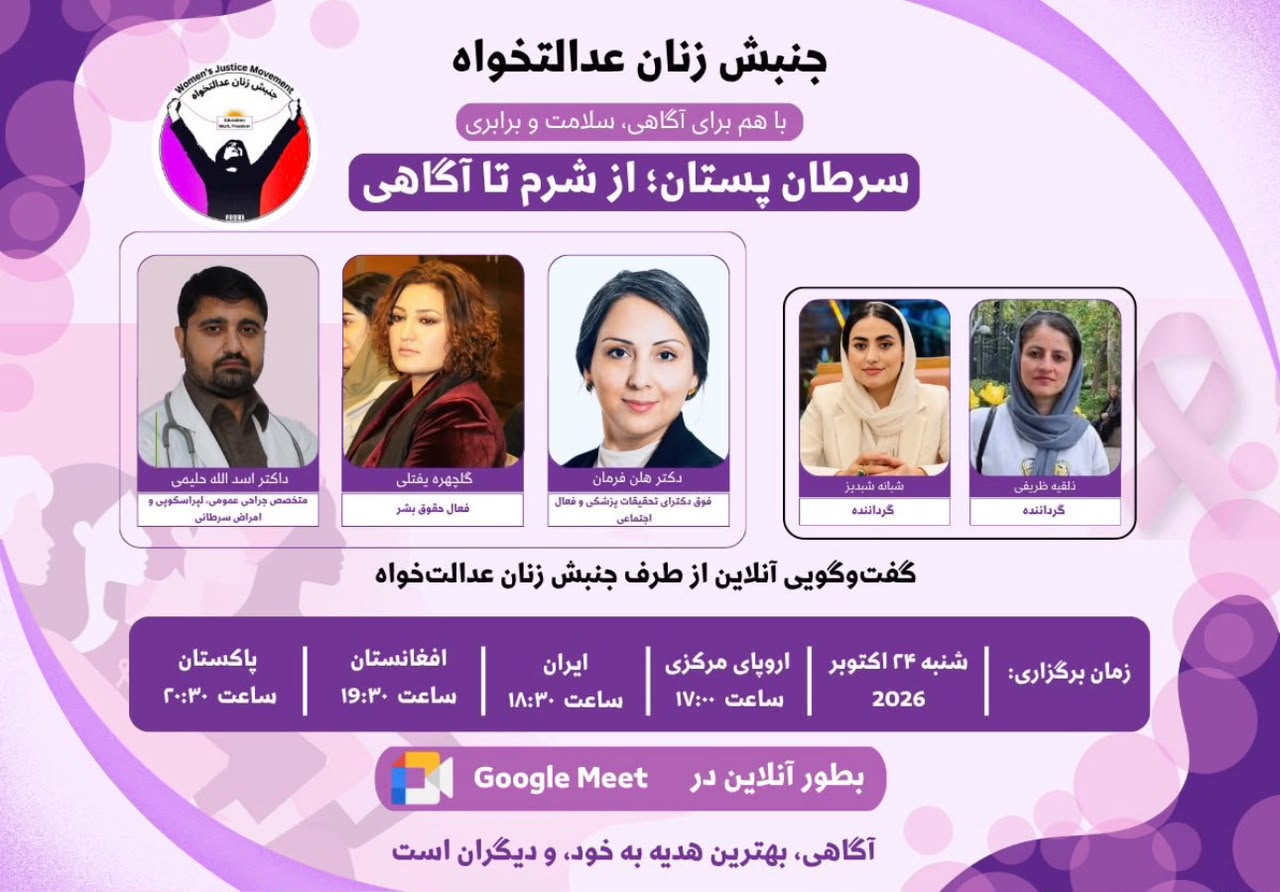
The fifth dialogue session of the Women’s Justice Movement (WJM), titled “Breast Cancer: From Shame to Awareness,” was held online with the participation of social and human rights activists.
The session aimed to raise awareness about breast cancer, examine cultural and social barriers to diagnosis and treatment, and challenge taboos surrounding women’s health. The speakers discussed personal and social experiences, the importance of raising awareness, and the need to support women facing the disease.
Dr. Helen Farman spoke about taboos surrounding women’s bodies, beauty standards, and social judgments. She explained that shame and cultural restrictions can prevent women from accessing information and seeking timely diagnosis and treatment.
She also highlighted economic challenges, restrictions on women’s mobility, and the shortage of female doctors and healthcare facilities in Afghanistan. She emphasized the importance of ensuring women have access to reliable information and healthcare services. She further noted that women facing illness should not always be expected to appear strong and positive; they also need understanding, support, and a safe space.
Gulchehra Yaftali, a human rights activist, shared her personal experience of facing breast cancer and the emotional difficulties she encountered during that period. She emphasized the importance of support from friends and family throughout the treatment process and explained that talking openly about the disease can help reduce fear and break social taboos.
She identified raising awareness and encouraging women to pay attention to changes in their bodies and seek timely medical consultation as important ways to address the disease.
Participants also shared their experiences and perspectives. Estora Darwazi spoke about her mother’s experience with breast cancer and the importance of early awareness. Fahima Zahed discussed breast changes and lumps, while Nilab Sarabi emphasized the role of family support for women affected by the disease.
The discussion highlighted how raising awareness, providing emotional support, and avoiding judgment can play an important role in reducing fear and encouraging women to seek healthcare services.
The session examined breast cancer not only as a health issue but also in the context of cultural, social, and economic barriers. The speakers emphasized the importance of continuous awareness-raising, timely diagnosis, access to healthcare services, and support for women facing the disease.
Through organizing such programs, the Women’s Justice Movement (WJM) reaffirms its commitment to continuing awareness-raising efforts on women’s health, addressing social taboos, and providing a safe space for sharing experiences and mutual support.
Share: