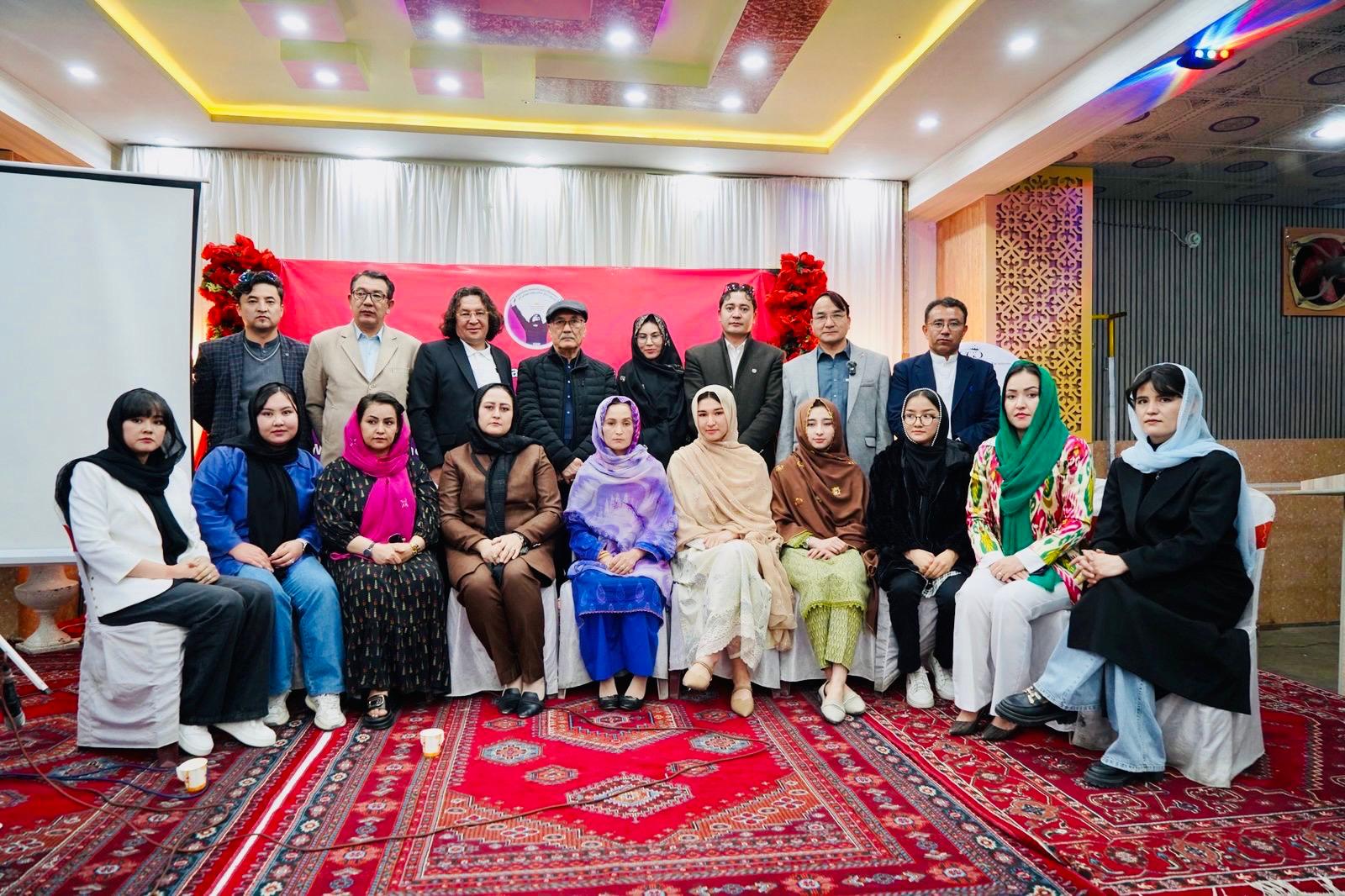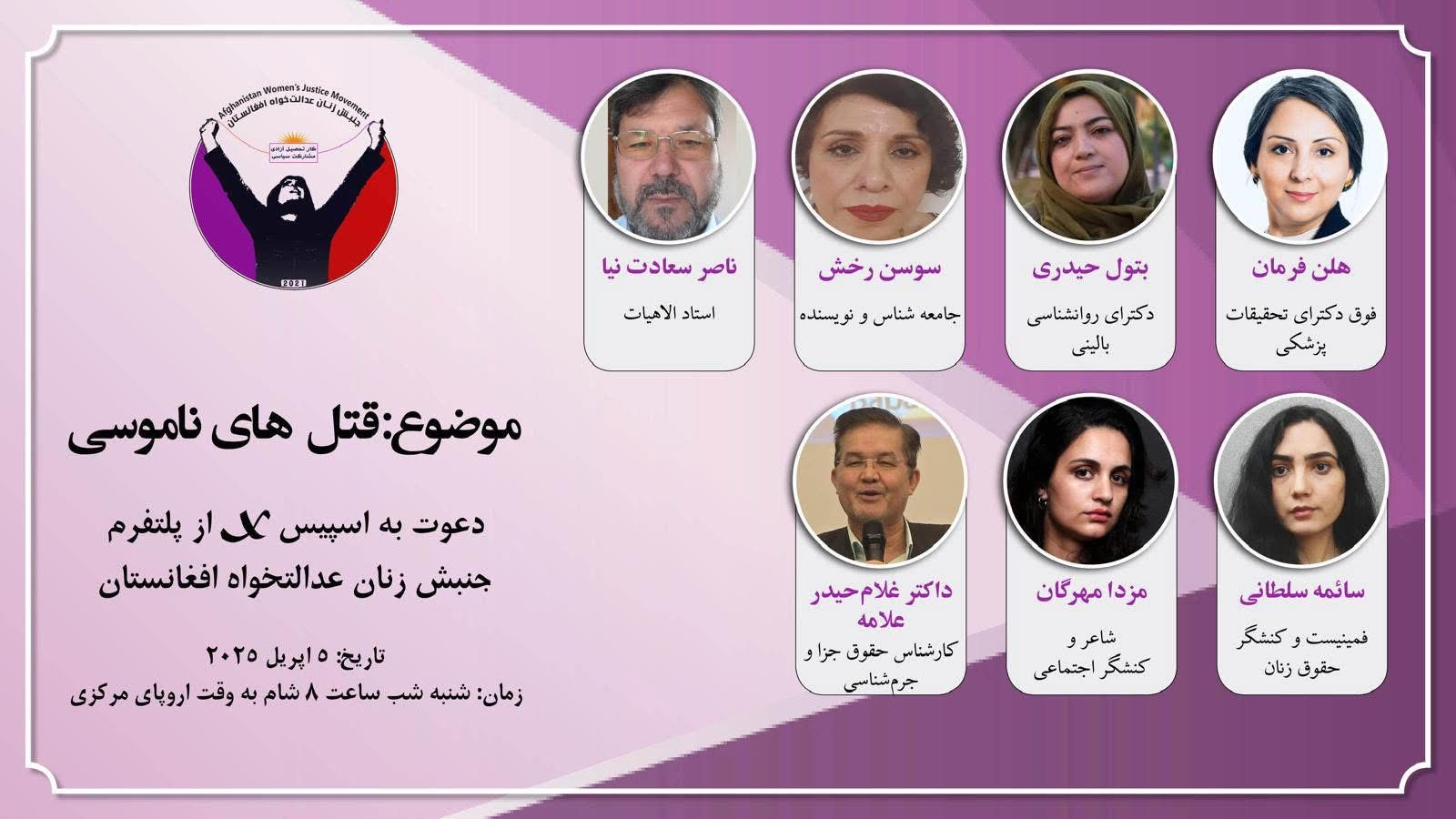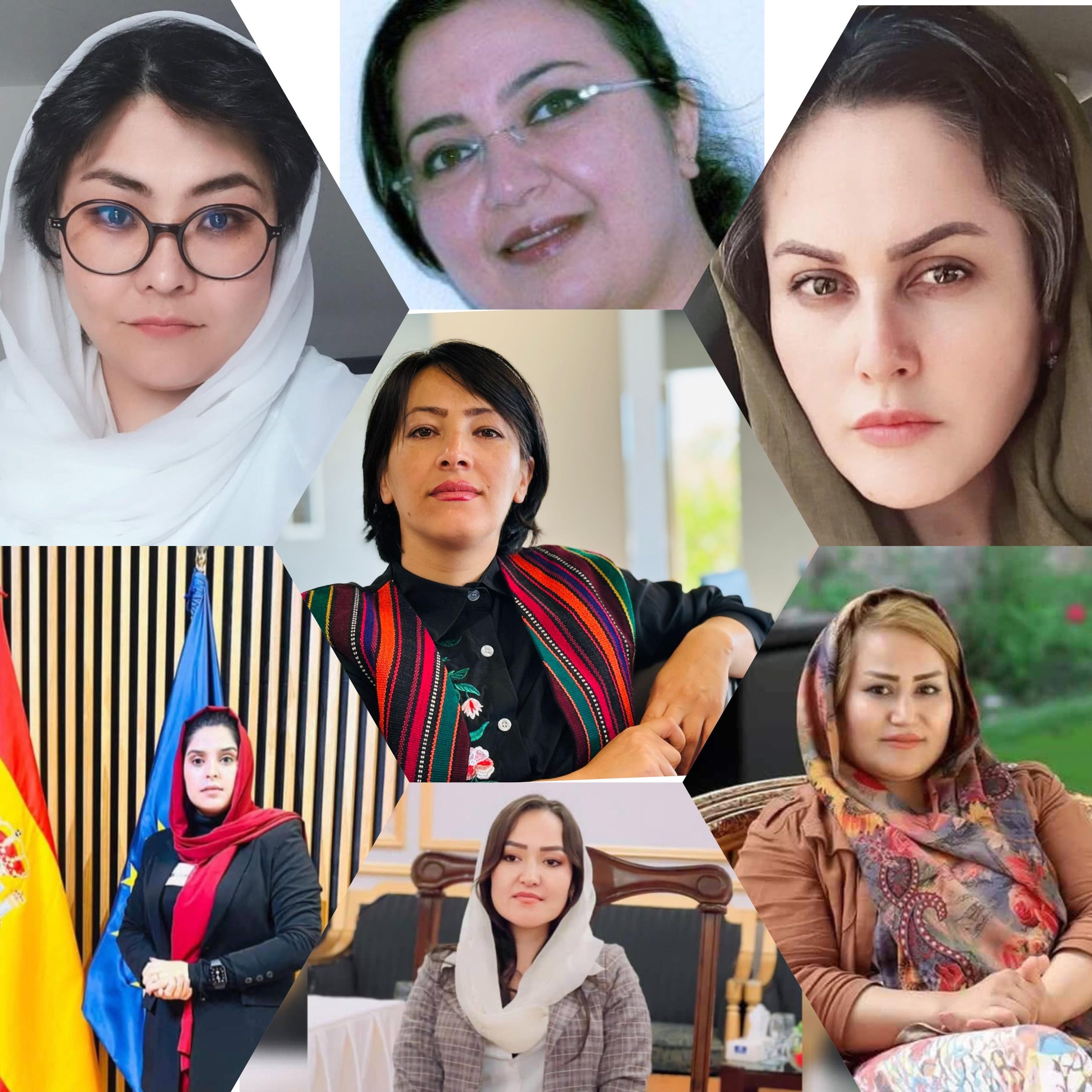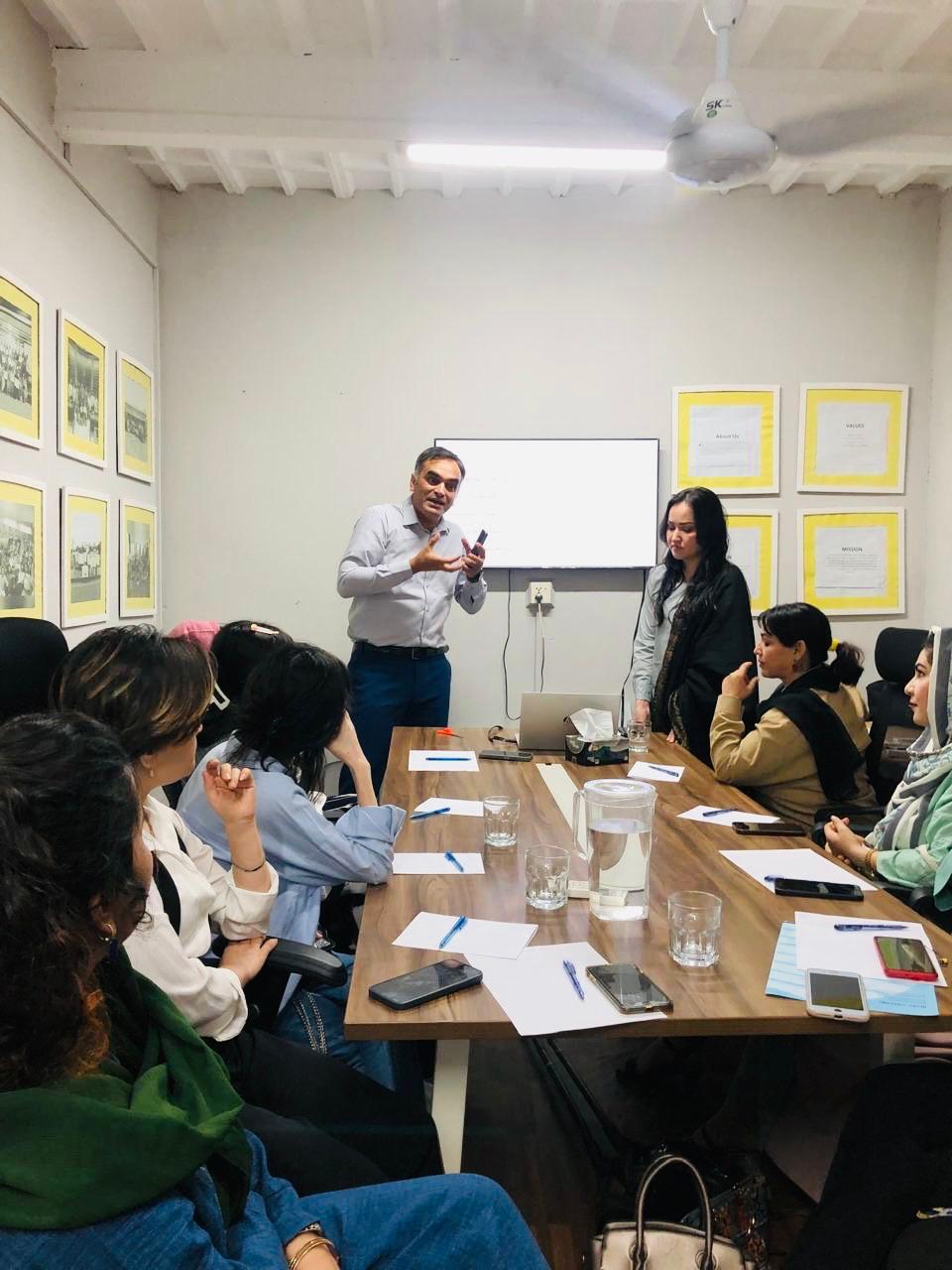
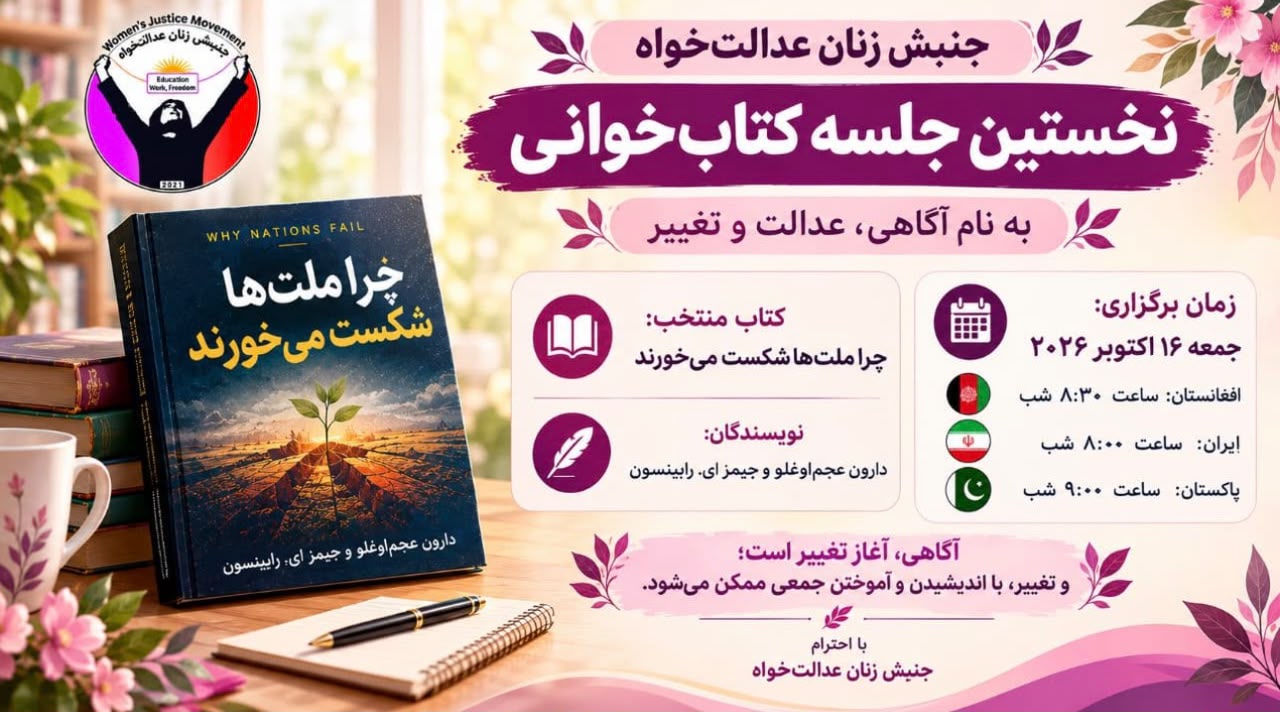
The Women’s Justice Movement (WJM) held its first online book club session on Friday, October 16, 2026, bringing members together to discuss the factors that shape national progress and decline through the influential book Why Nations Fail by Daron Acemoglu and James A. Robinson.
Led by Dr. Maryam Azizi, the session aimed to promote reading, broaden knowledge, strengthen critical thinking, and create space for collective discussion about why some societies prosper while others struggle to develop.
Why Nations Fail, a widely recognised work on political economy and development, examines how political and economic institutions, power structures, and public participation influence the course of societies. The book provided a framework for members to reflect on the relationship between institutions, political power, equal opportunities, and a country’s long-term development.
Members Discuss Institutions, Power and National Development
During the session, members of the Women’s Justice Movement shared their perspectives on the importance of book clubs and the central arguments of the selected book. Each participant approached the discussion from her own point of view, exchanging ideas about the conditions that help societies succeed and the factors that contribute to national decline.
A significant part of the conversation focused on the current situation in Afghanistan and how it relates to the issues explored in the book. Members discussed the role of political and economic structures, the concentration of power, restrictions on fundamental freedoms, and the exclusion of people from political and social decision-making.
The discussion offered an opportunity to consider how institutions and the distribution of power can shape people’s opportunities and influence a country’s development. Rather than treating the book solely as a theoretical work, participants used its ideas to examine the realities facing their own society.
Exclusion of Women and Girls Raises Questions About Afghanistan’s Future
The situation of women and girls in Afghanistan was another important theme. Members discussed their exclusion from education, employment, and free participation in social life, reflecting on the consequences of denying a significant part of society access to educational and economic opportunities.
The discussion connected these restrictions to broader questions about national development and the ability of a society to build its future when large sections of its population are excluded from contributing to it.
The exchange also highlighted the importance of critically examining the institutional and structural factors that influence development and underdevelopment. Members emphasised that reading, sharing experiences, and learning collectively can help deepen public understanding of complex social and political issues.
WJM Seeks to Build a Culture of Reading and Critical Thinking
The first book club session marked a step in the Women’s Justice Movement’s efforts to encourage regular reading and create a space for intellectual exchange among its members. Such initiatives can introduce participants to influential academic and intellectual works while strengthening their ability to analyse social and political issues from different perspectives.
The choice of Why Nations Fail also created an opportunity to connect theoretical ideas with the realities of Afghanistan, encouraging reflection on power, institutions, equal opportunities, and the role of people in determining their country’s future.
Through the initiative, WJM seeks to foster an environment where members can read regularly, engage in open discussion, ask questions, and critically reconsider the realities of their society. In this space, books serve not only as sources of knowledge but also as starting points for analysis, questioning, and collective reflection.
“Awareness is the beginning of change, and change becomes possible through collective thinking and learning.”
Share: