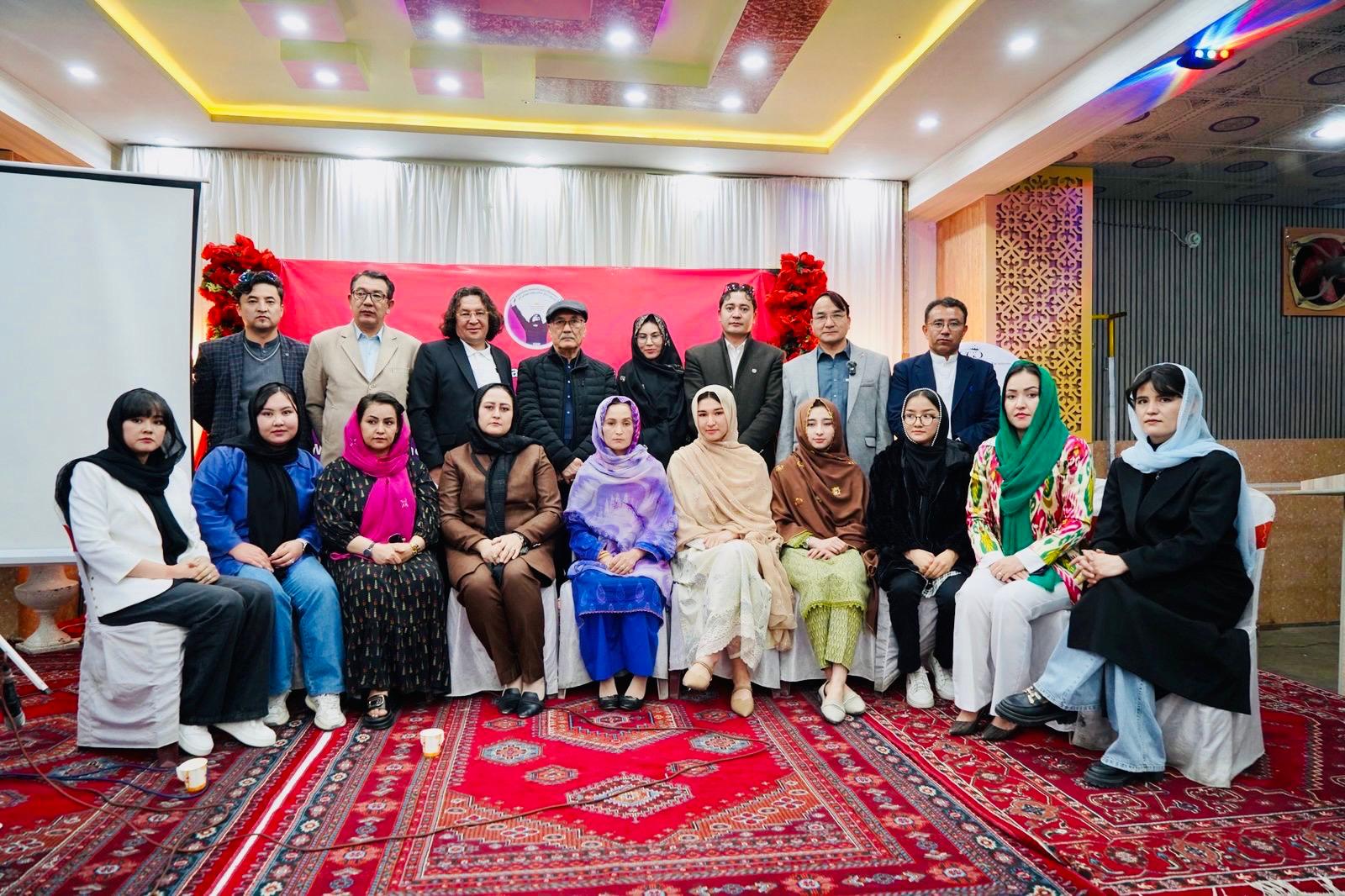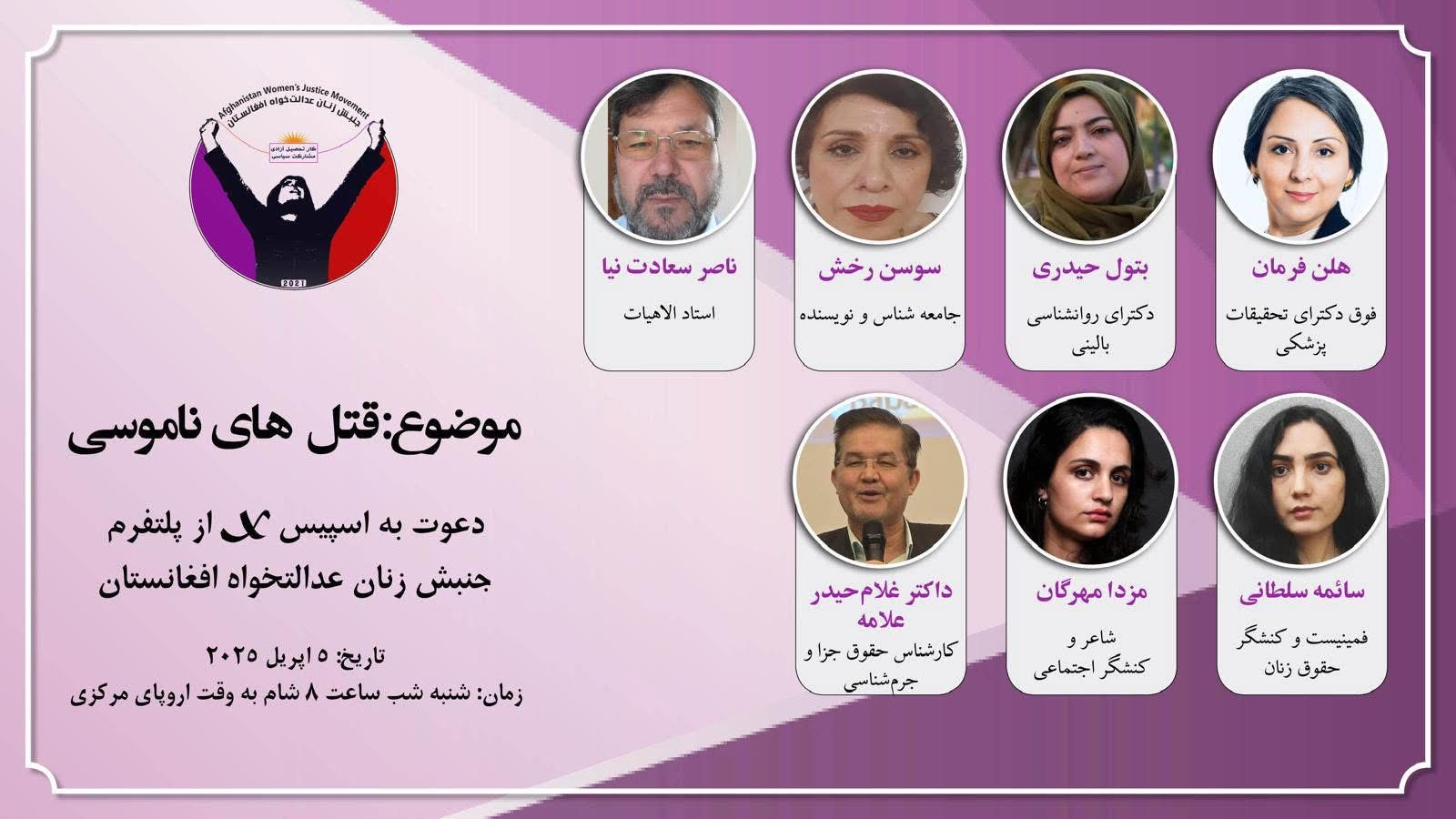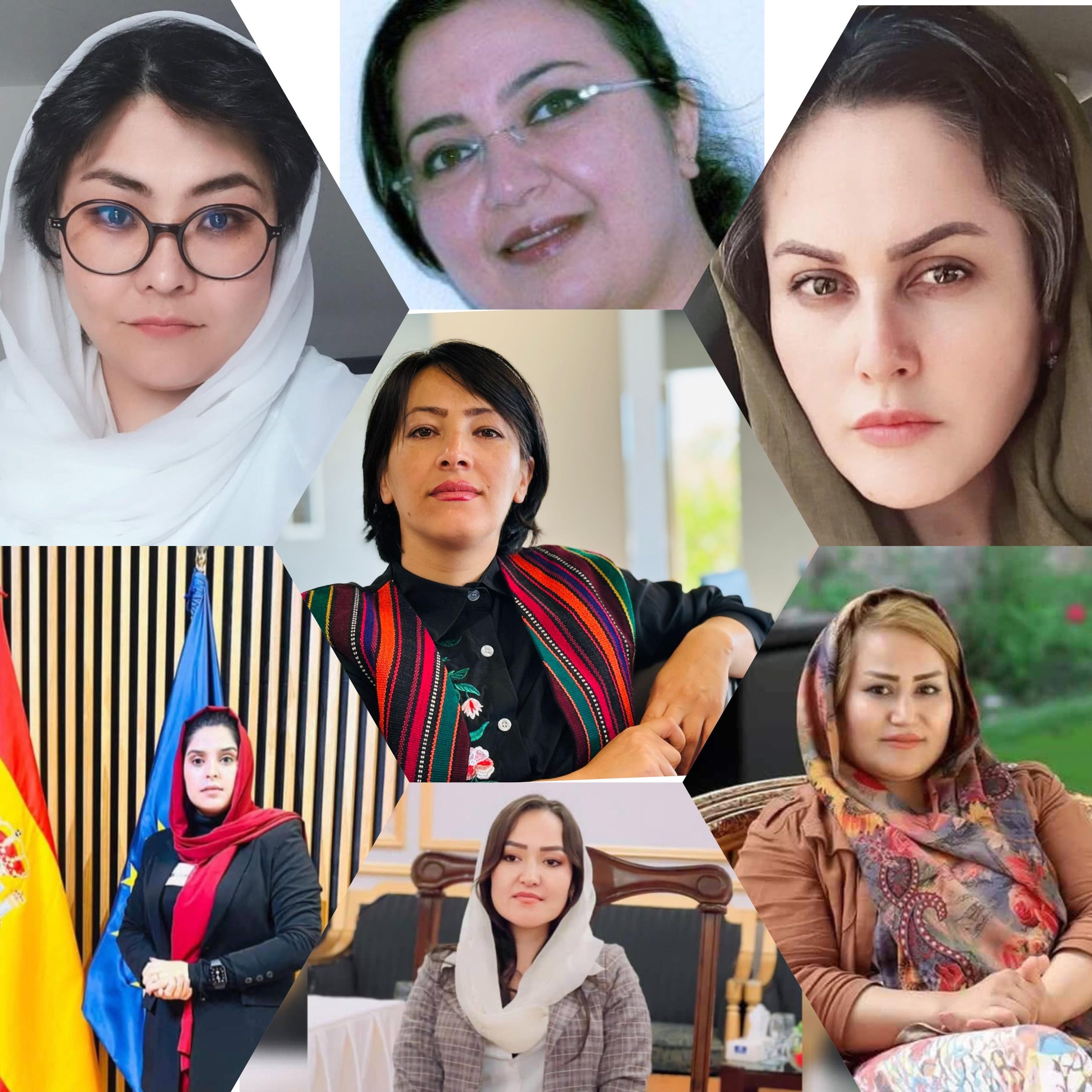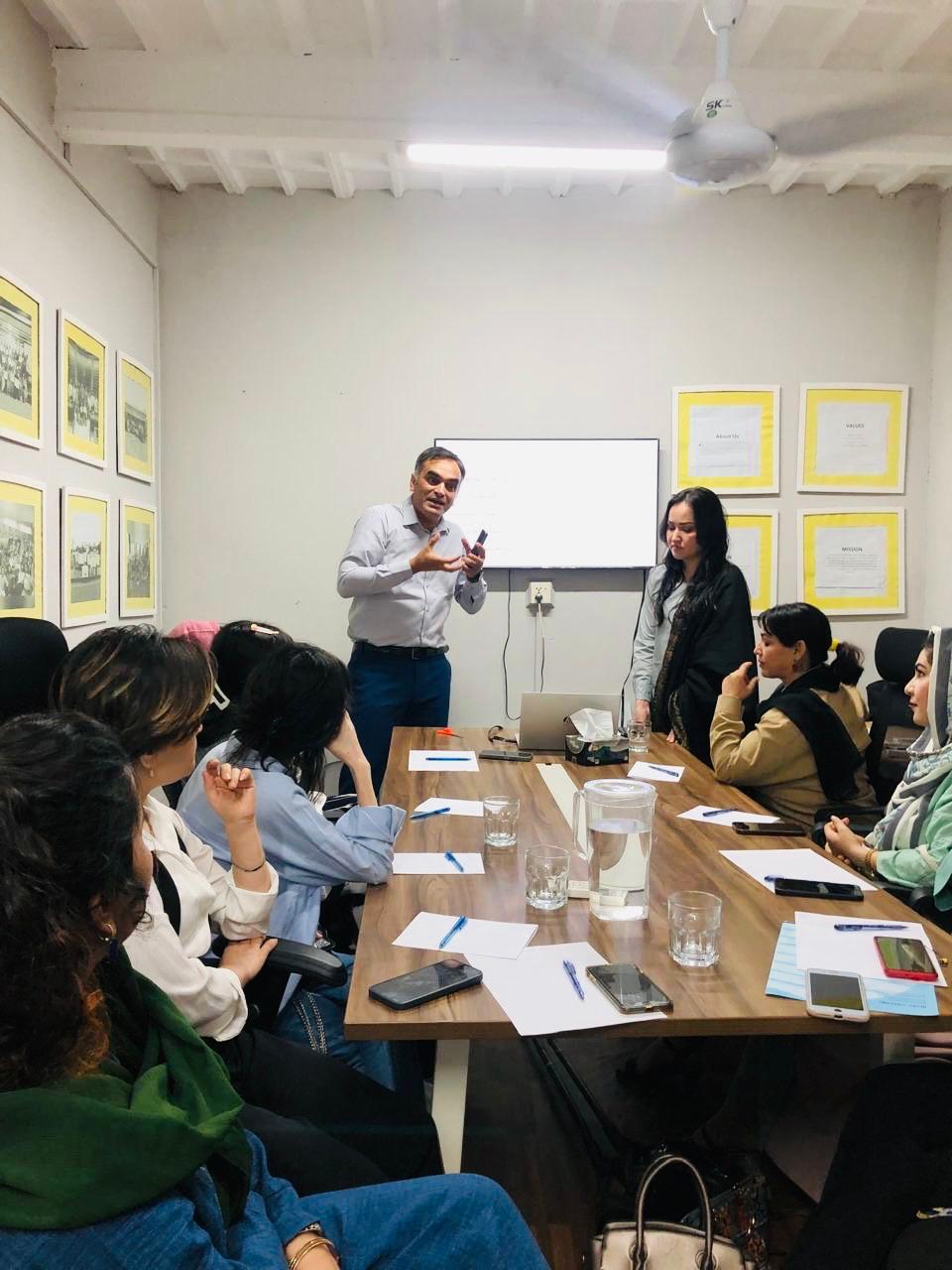
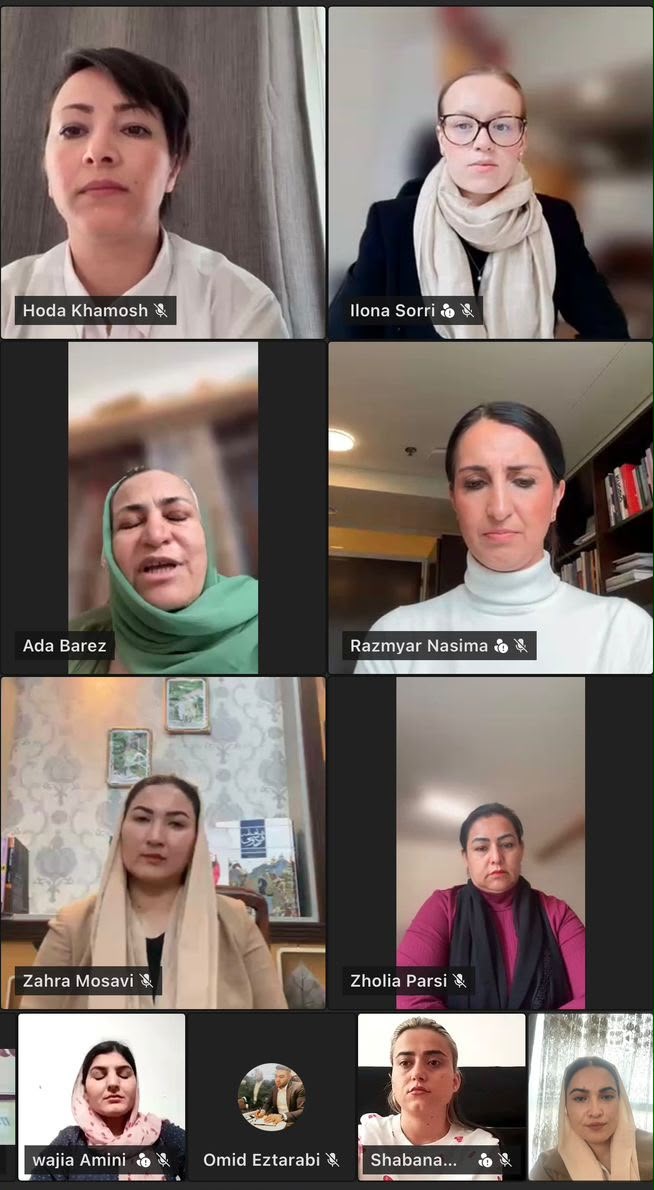
At the initiative of the Women's Justice Movement (WJM), a joint online meeting was held with the participation of Ms. Nasima Razmyar, Member of the Finnish Parliament, and several of her Finnish colleagues.
The meeting brought together a number of women’s rights activists and protesters from Afghanistan, Pakistan, and Iran—women who have directly experienced the consequences of the Taliban’s repression and discriminatory policies.
Participants spoke about the current situation in Afghanistan, the suffering and deprivation faced by women, as well as their resilience and ongoing resistance. The denial of education and higher learning opportunities to millions of Afghan girls was highlighted as one of the most severe humanitarian crises facing the country.
Evidence of the gender apartheid imposed in Afghanistan was also presented. Participants recalled the recent public protests in Herat and the violent suppression of demonstrators. The discussion further addressed the situation of women who were arrested, tortured, and imprisoned for demanding justice and advocating for their rights, and who are now living in Pakistan and Iran under uncertain and difficult circumstances.
The meeting also highlighted the situation of LGBTQ+ individuals in Afghanistan and emphasized the urgent need for protection, support, and safeguards against violence and discrimination.
During the meeting, Zahra Mousavi spoke about the current situation in Afghanistan, the urgent needs of Afghan women and girls, the widespread deprivation of education, and the necessity of practical international support for a generation denied access to learning.
Shahla Arefi addressed the challenging conditions faced by Afghan refugees, particularly women, in Pakistan and Iran. She raised concerns regarding their legal status, access to essential services, and their uncertain future.
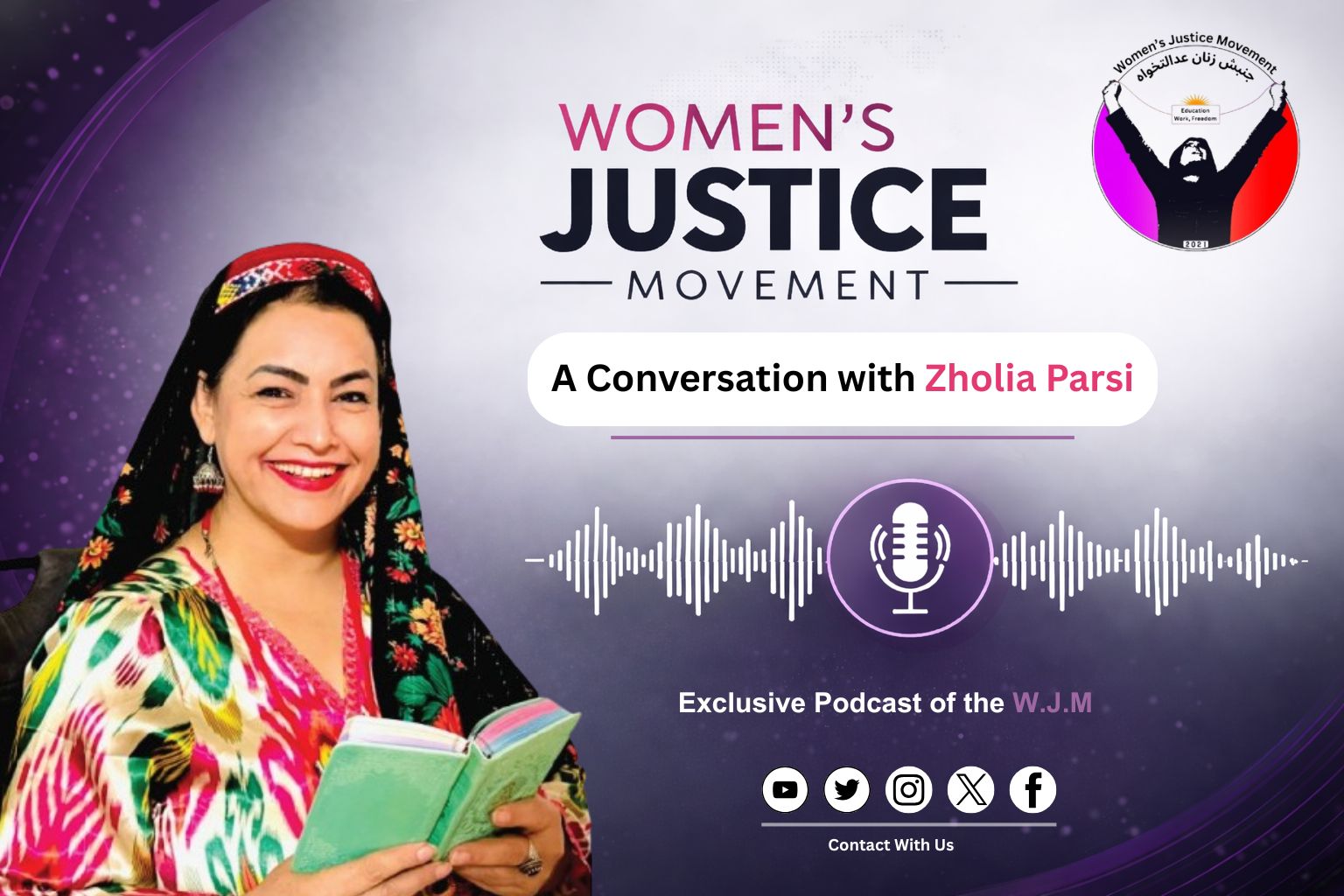
Julia Parsi, founder of the Afghanistan Women’s Movement Organization, presented an overview of the organization’s activities, objectives, and efforts in advocacy and support for Afghan women.
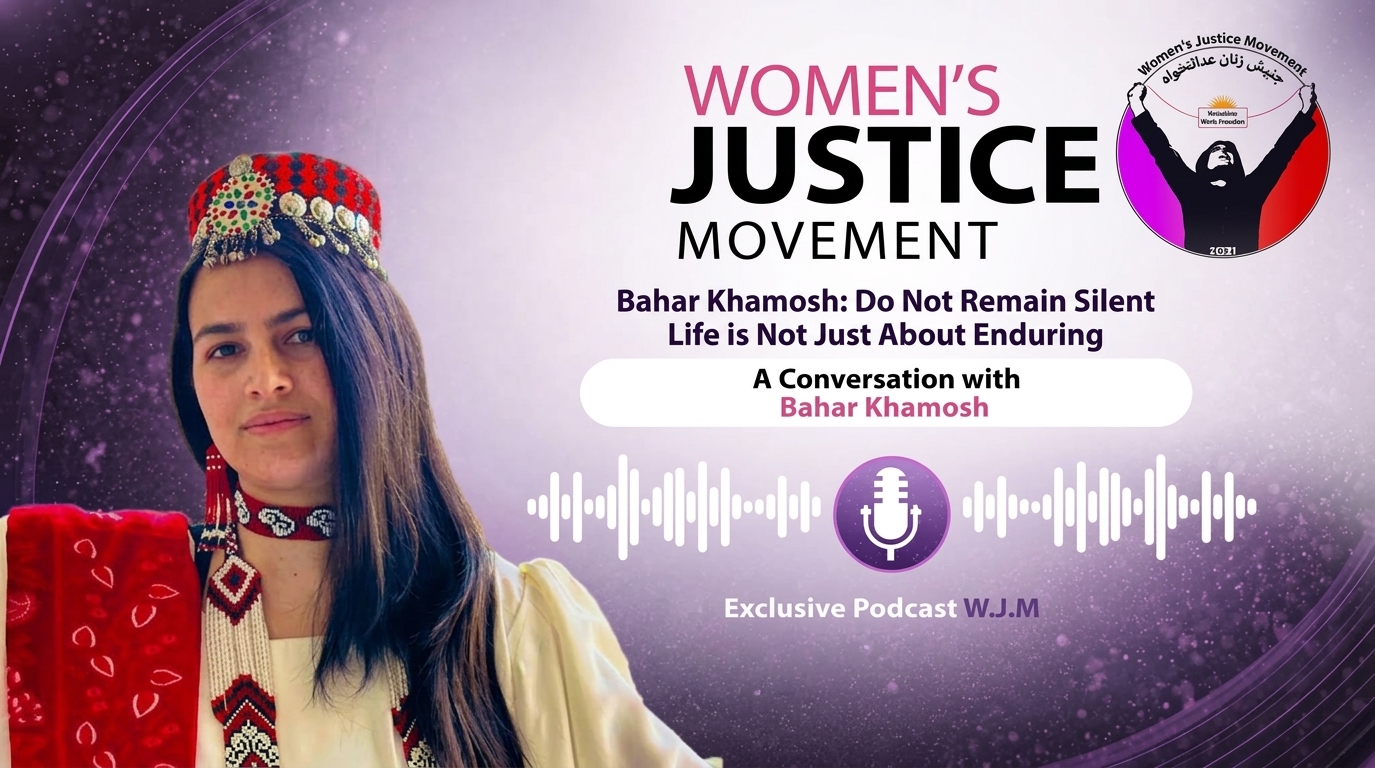
Hoda Khamosh, founder of the Women’s Justice Movement, spoke about the mission and activities of the movement, its advocacy strategies, and potential avenues for cooperation and mutual support.
Key Recommendations and Requests Raised During the Meeting
* Amplifying and strengthening the voices of Afghan women within the Finnish Government, the Finnish Parliament, and the European Parliament;
* Supporting the recognition and international pursuit of gender apartheid in Afghanistan;
* Creating and expanding educational opportunities, scholarships, and academic programs for Afghan women and girls deprived of education;
* Establishing support and empowerment programs for Afghan women in exile, particularly in Pakistan and Iran;
* Building stronger connections between Afghan civil society organizations and Finnish institutions to foster sustainable cooperation;
* Supporting mental health initiatives, vocational training, and capacity-building programs for affected women, while also paying special attention to the needs of Afghanistan’s LGBTQ+ community through access to support programs, psychosocial services, and safe protection and educational pathways;
* Ensuring meaningful participation of Afghan women in international forums, conferences, and decision-making processes;
* Continuing dialogue and establishing joint mechanisms to advance and follow up on the demands and rights of Afghan women.
At the conclusion of the meeting, Ms. Nasima Razmyar and her colleagues expressed their solidarity with the people of Afghanistan, particularly women and girls. They emphasized their commitment to conveying these concerns and voices to relevant institutions and to supporting collaborative efforts wherever possible.
They also called for further meetings and continued dialogue in order to explore and strengthen practical avenues of cooperation in support of Afghan women.
The meeting once again demonstrated that despite years of repression, Afghan women continue to stand firm and resilient, refusing to allow their voices to be silenced.
Share: